


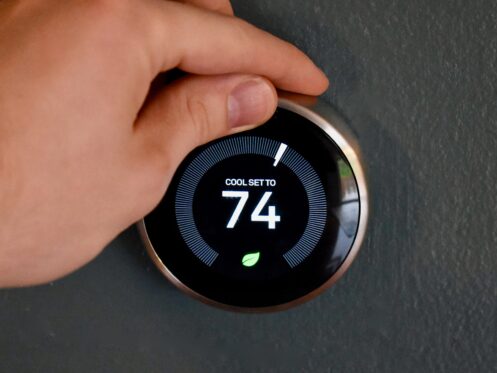
Temperatures can drop 30 degrees or more during an Arizona night during the mild winter season. The reason this happens is because of the climate’s low humidity, which prevents the atmosphere from retaining heat once the sun sets. When this happens, you must decide whether to run your heating system or rely on insulation and clothing to stay comfortable. The decision you make can affect your energy bills, HVAC system longevity, and your home’s indoor air quality.
Running the Heat Protects Your Plumbing and Building Materials
While Phoenix and Tucson rarely experience the deep freezes seen in northern Arizona, “hard freezes” do happen. When temperatures drop below 32 degrees Fahrenheit for several hours, any of your home’s interior pipes located near exterior walls are at risk of freezing. Keeping your home heated ensures that your home’s interior walls protect your water lines and keep them from freezing.
Your home’s building materials are also protected when you keep your home heated. Consistent indoor temperatures prevent the expansion and contraction of building materials and reduce the occurrence of drywall cracks and gaps between windows and doors.
Consistent Heating Prevents Heat Recovery
Do you believe turning the heater off completely at night saves you money? We want you to know that this strategy can backfire because of the thermal mass concept. You see, your home isn’t just a collection of air; it consists of walls, flooring, furniture, and cabinetry. When you turn your heating system off and the indoor temperature drops to 60 degrees Fahrenheit or lower, solid objects lose their heat.
When you turn the heater back on in the morning, the HVAC system must work harder and longer to warm the air and solid objects in the home. This is known as the heat recovery period. During this time, the system runs at maximum capacity. If you have a heat pump, which is common in many Arizona homes, a significant drop in temperature may trigger the auxiliary heat strips. These electric strips consume significantly more electricity than the standard heat pump cycle, leading to a spike in your utility bill. Maintaining a steady, lower temperature is often more efficient than allowing the home to freeze and forcing a total recovery.
Sleep Better with Intentional Overnight Heating
We get the best sleep when the temperature is between 60 and 67 degrees Fahrenheit. If you have a heat pump in your home, we recommend setting it in night mode to maintain a better air quality balance. Running your heater too hot can strip moisture from the air and cause dry skin, irritated sinuses, and respiratory discomfort. Conversely, if the home remains too cold, your body stays in a state of alertness to maintain core temperature, which disrupts deep sleep cycles.
Running the heat overnight within the 60 to 67 degree Fahrenheit range keeps you comfortable and lessens the HVAC system’s load. You get better sleep and use less energy.
Alternatives to Constant Heating
If you want to lessen heater usage without sacrificing comfort, consider using these passive methods:
- Reverse Ceiling Fans: Most fans have a switch to rotate blades clockwise. When you reverse the blade’s direction, this creates an updraft that pushes warm air trapped at the ceiling back down into your living space.
- Window Treatments: Heavy curtains or cellular shades act as insulation. Close them as soon as the sun sets to trap the day’s solar gain inside the house.
- Thermal Leaks: Use weather stripping on doors leading to the garage or outside. A significant amount of heat loss occurs through the gap at the bottom of the door. The gap also lets cold air inside the house.
At the end of the day, the most effective approach for managing Arizona’s cool nights is to run the heater on a programmed schedule. We recommend setting your system’s thermostat to 65 degrees Fahrenheit during sleeping hours and 68 degrees Fahrenheit during the day. When you take this approach, you prevent the costly activation of auxiliary heat strips and protect your home’s thermal mass. It also ensures a healthy sleeping environment by preventing extreme dryness. Avoiding the “all or nothing” approach to heating will ultimately save you money and extend the life of your HVAC equipment.
When you have heating and cooling questions for your Arizona home, Axis Air Conditioning has the answers. We offer heating repair, heating installation, and heating maintenance. Contact us today for expert heating services!